In the relentless march of digital transformation, the business process outsourcing (BPO) industry stands at a precipice. The EU AI Act's recent enforcement deadlines, the surge of generative AI in customer experience, and the growing demand for data privacy have converged to create a perfect storm. Yet, amid the cacophony of technological hype, a quieter, more profound shift is taking place—one that redefines the very essence of outsourcing. It's no longer about cost arbitrage or even operational efficiency; it's about the strategic orchestration of human and machine intelligence. The question is not whether AI will replace agents, but how it will elevate them—and which global partners are best positioned to lead this evolution.
The AI Paradox: Efficiency vs. Empathy
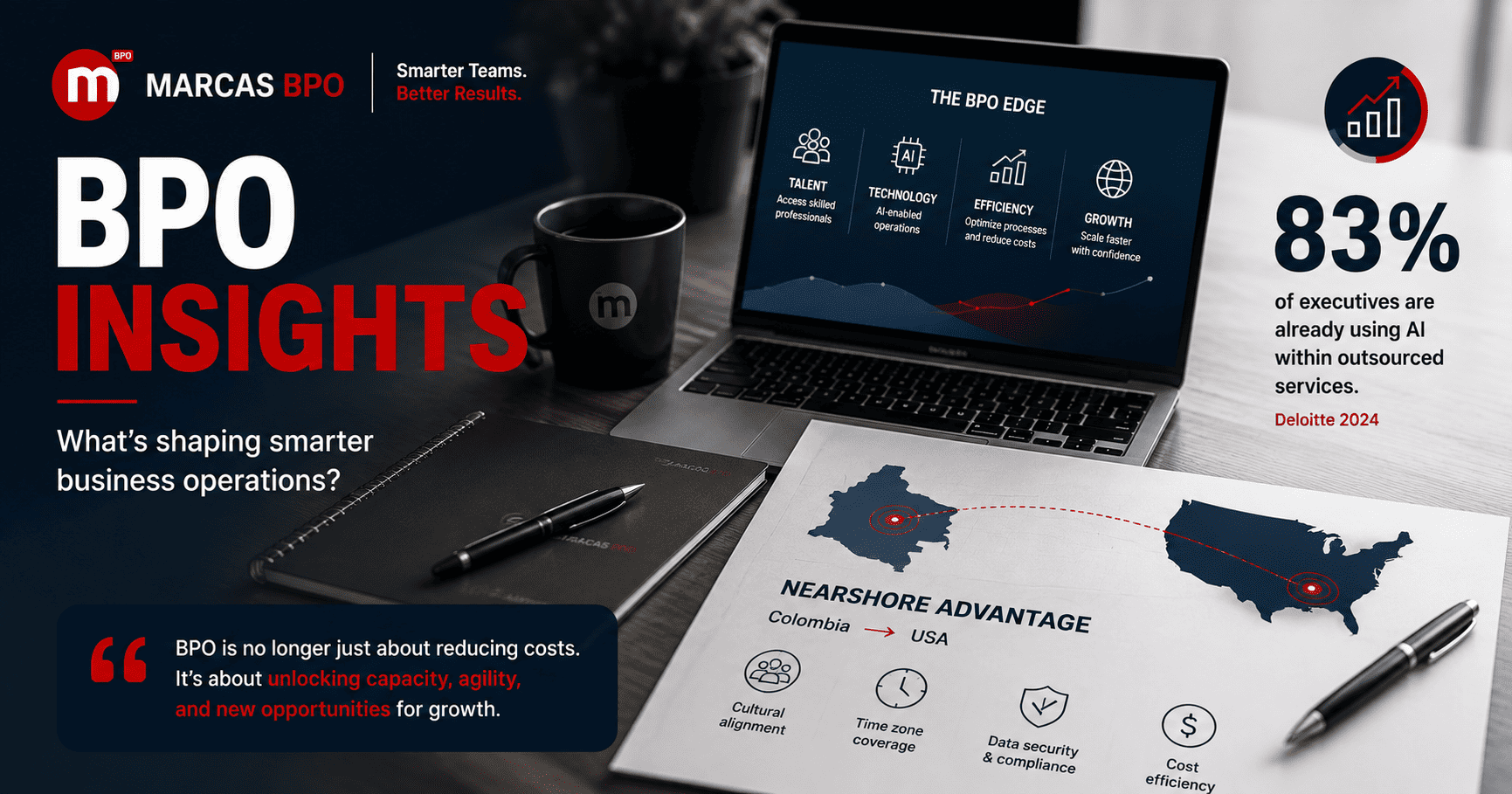
For years, the BPO industry has been caught in a paradox: the push for automation often clashes with the need for genuine human connection. AI-powered chatbots and sentiment analysis tools promise faster resolutions, yet they can inadvertently erode the emotional resonance that builds brand loyalty. Consider the recent findings on social media customer service: brands are finally listening, but are they truly understanding? The answer lies in a hybrid model. AI can triage queries, predict customer intent, and even draft responses, but it lacks the contextual nuance and empathy that only a trained human agent can provide. This is where the strategic value of a nearshore partner becomes evident. A partner in Colombia, for instance, can offer not only cultural affinity with US customers but also a workforce adept at leveraging AI tools to enhance, not replace, their interactions. The result is a customer experience that feels both efficient and authentically human—a delicate balance that pure offshoring models often struggle to achieve.
Quality Assurance in the Age of Algorithmic Oversight
Quality assurance (QA) in call centers has traditionally relied on random call monitoring and periodic scorecards. But as AI becomes more integrated into customer interactions, QA must evolve. The new frontier involves analyzing every interaction—voice, text, and sentiment—through a lens of continuous improvement. Yet, this data-driven approach raises a critical question: can algorithms truly capture the quality of a human conversation? The answer is a resounding 'no'—at least not without human oversight. The most effective QA strategies now combine machine learning to flag anomalies and human supervisors to interpret context. This is not merely a technical exercise; it's a cultural one. It requires a workforce that embraces feedback and a leadership that values learning over blame. In Colombia, where a strong emphasis on education and a service-oriented culture prevail, this QA evolution is not just possible—it's a natural fit. By embedding these practices, BPO providers can transform QA from a compliance checkbox into a strategic engine for customer satisfaction and retention.
Data Privacy: The New Competitive Battleground
As AI conversations become more personalized, the specter of data privacy looms larger than ever. The EU AI Act has set a global precedent, but US companies are also feeling the pressure to protect consumer data. For BPO providers, this is both a challenge and an opportunity. On one hand, stringent privacy regulations require robust cybersecurity measures and transparent data handling. On the other, they offer a chance to differentiate through trust. The question is: how can BPOs ensure that AI-driven interactions remain private and secure without compromising the user experience? The answer lies in a multi-layered approach—encryption, anonymization, and strict access controls—combined with a workforce trained in data ethics. Nearshore hubs like Colombia are particularly well-positioned here, as they operate in a time zone close to the US, facilitating real-time oversight and compliance with US data laws. Moreover, the cultural affinity and shared legal frameworks reduce the friction often associated with offshore data transfers. In this landscape, privacy is not just a regulatory requirement; it's a brand promise that can set a company apart.
The Strategic Imperative: Human-AI Collaboration
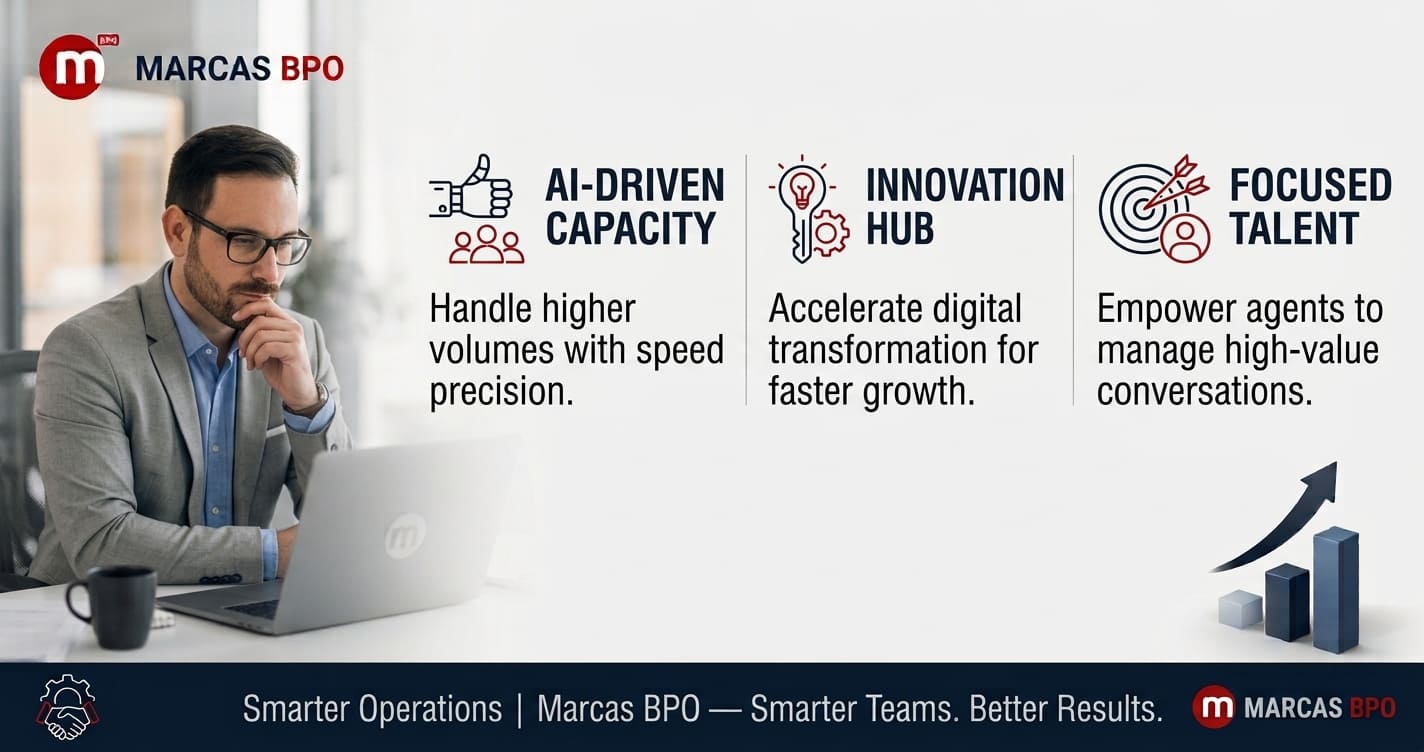
Ultimately, the future of BPO lies not in choosing between human and AI, but in orchestrating their collaboration. The most forward-thinking companies are already using AI to handle routine tasks, freeing up agents to focus on complex, high-value interactions. This shift requires a new kind of workforce—one that is tech-savvy, emotionally intelligent, and continuously upskilled. It also requires a partner who can provide this talent at scale. Colombia, with its growing tech ecosystem and bilingual workforce, is emerging as a premier nearshore destination for this very reason. By investing in training programs that blend soft skills with AI literacy, BPOs in Colombia are not just filling seats; they are building strategic assets. The result is a service model that is both cost-effective and innovation-driven, capable of adapting to the rapid changes in CX and business processes. As we look ahead, the question is no longer whether AI will disrupt the industry, but which players will harness its power to create a competitive advantage that is both sustainable and human-centric.
Conclusion: The New BPO Value Proposition
The BPO industry is undergoing a metamorphosis, driven by AI, privacy concerns, and evolving customer expectations. The winners will be those who view technology as an enabler of human excellence, not a replacement. They will invest in nearshore partnerships that offer cultural alignment, regulatory ease, and a talent pool ready to thrive in a hybrid environment. As Marcas BPO and other Colombian providers demonstrate, the future of outsourcing is not about doing more for less—it's about doing better with more intelligence. The strategic shift is clear: embrace AI, but never lose sight of the human element. After all, in the age of algorithms, the most powerful differentiator remains the ability to connect, understand, and inspire trust.
This original Marcas BPO editorial was informed by industry reporting from:
• The EU AI Act Deadline Is Here: Why CX Teams Cannot Afford to Wait — CX Today
• 4 Surprising Ways AI Is Helping Ordinary Businesses Reach $1 Million Faster — Entrepreneur
• Are Brands Finally Listening to Social Media Customers? — CX Today
• How to Improve Quality Assurance in a Call Centre — Call Centre Helper
• How to keep your AI conversations as private as possible — ZDNet Innovation
Content is 100% original. Marcas BPO editorial team independently researched, analyzed, and wrote this article.